
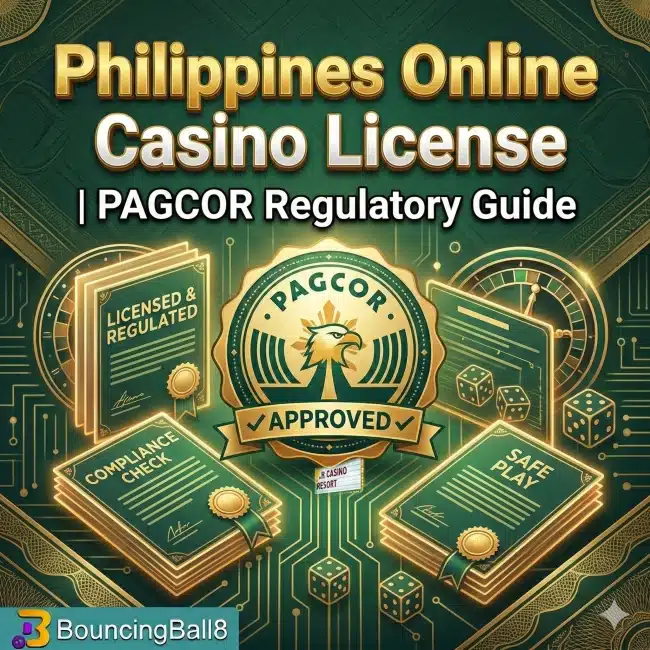
The Philippines has established one of the most structured gaming regulatory systems in Southeast Asia. As online gambling continues to expand, understanding the Philippines online casino license framework is essential for both players and operators. Filipino users searching for pagcor licensed online casino philippines or online casino licensed by pagcor are typically concerned about legality, safety, and financial protection. This guide explains how the licensing system works, what PAGCOR regulates, and how players can verify whether an online casino operates within the law.
The Role of PAGCOR in Philippine Online Gambling
The primary authority overseeing gambling operations in the Philippines is the Philippine Amusement and Gaming Corporation. PAGCOR functions both as a regulator and as a government owned corporation that supervises gaming activities across the country.
For online casinos, PAGCOR establishes licensing requirements, compliance procedures, and operational standards. This oversight ensures that licensed operators follow strict rules related to financial transparency, anti money laundering measures, and responsible gambling policies.
Filipino players benefit from this system because it provides a legal framework that separates regulated platforms from unauthorized operators.
Why Licensing Matters for Players
Licensing directly affects player safety. A pagcor licensed online casino philippines must comply with:
- Regular auditing of gaming systems
- Secure handling of player funds
- Transparent bonus and wagering terms
- Clear dispute resolution procedures
Without licensing, players have limited protection if issues arise. Regulation provides accountability and formal channels for complaints.
How PAGCOR Protects Real Money Transactions
Real money gaming involves deposits, withdrawals, and personal identification verification. PAGCOR requires licensed operators to implement secure payment systems and identity checks to prevent fraud.
This structure aligns with YMYL principles because gambling decisions affect financial well being. A regulated environment reduces the risk of unfair practices or sudden platform shutdowns.
Types of Online Casino Licenses in the Philippines
The Philippines online casino license framework includes different categories depending on operational scope. Some licenses cover domestic online gaming for Filipino players, while others historically addressed offshore operations.
Understanding these distinctions helps players determine whether a platform legally serves Philippine residents.
Domestic Online Casino Operations
Casinos operating domestically under PAGCOR oversight must clearly state their regulatory status. These platforms often integrate internationally recognized game providers while complying with local rules.
Players searching for online casino licensed by pagcor should verify that the platform displays official licensing information and maintains transparent policies.
Compliance Requirements for Operators
To obtain and maintain licensing, operators must demonstrate:
- Technical infrastructure reliability
- Certified random number generator systems
- Secure data encryption
- Responsible gambling mechanisms
Failure to comply may result in penalties or license revocation. This strict approach reinforces credibility in the Philippine gaming sector.
How to Verify a Philippines Online Casino License
Verification is a critical step before registering with any online casino. Players should not rely solely on promotional claims.
Steps to Confirm Licensing
- Check the website footer for licensing statements
- Look for clear references to PAGCOR oversight
- Review terms and conditions for regulatory details
- Confirm that payment systems are transparent
A legitimate platform will provide clear documentation and accessible customer support to answer licensing questions.
Red Flags to Avoid
Warning signs of unregulated platforms may include:
- No visible licensing information
- Unrealistic bonus promises
- Unclear withdrawal policies
- Limited customer support
Players should avoid registering with platforms that lack transparency or verifiable credentials.
Legal Considerations for Filipino Players
Many users search for is online casino legal in philippines due to confusion about gambling laws. The answer depends largely on licensing status. Platforms operating under PAGCOR authority are permitted within defined regulatory boundaries.
Players must also meet age requirements and comply with identification procedures. These measures protect both users and operators.
Responsible Gambling and Regulatory Standards
Licensing also requires casinos to promote responsible gambling. Regulated platforms typically provide:
- Self exclusion options
- Deposit and wagering limits
- Educational resources
- Customer assistance channels
These tools help maintain sustainable gaming habits.
Comparing Licensed and Unlicensed Platforms
The difference between licensed and unlicensed casinos is significant. Licensed platforms offer legal protection, financial security, and verified fairness. Unlicensed sites operate without accountability, increasing risk.
Filipino players seeking long term reliability should prioritize regulated environments even if promotional offers appear smaller.
Why Regulatory Transparency Builds Trust
Trust in online casinos depends on visible compliance. Licensing demonstrates commitment to fairness, operational integrity, and player welfare.
For Philippine users, the presence of a valid online casino license signals that the platform operates within a structured legal framework rather than in an unregulated environment.
Making Informed Decisions in the Philippine Online Casino Market
Understanding the Philippines online casino license system empowers players to make safe choices. By verifying PAGCOR oversight, reviewing platform transparency, and practicing responsible gambling, Filipino users can reduce financial and legal risks.
Regulation does not eliminate gambling risk, but it significantly improves safety and accountability. Choosing licensed platforms ensures that entertainment remains controlled, secure, and legally supported.